What Does Stress Do To Our Bodies?
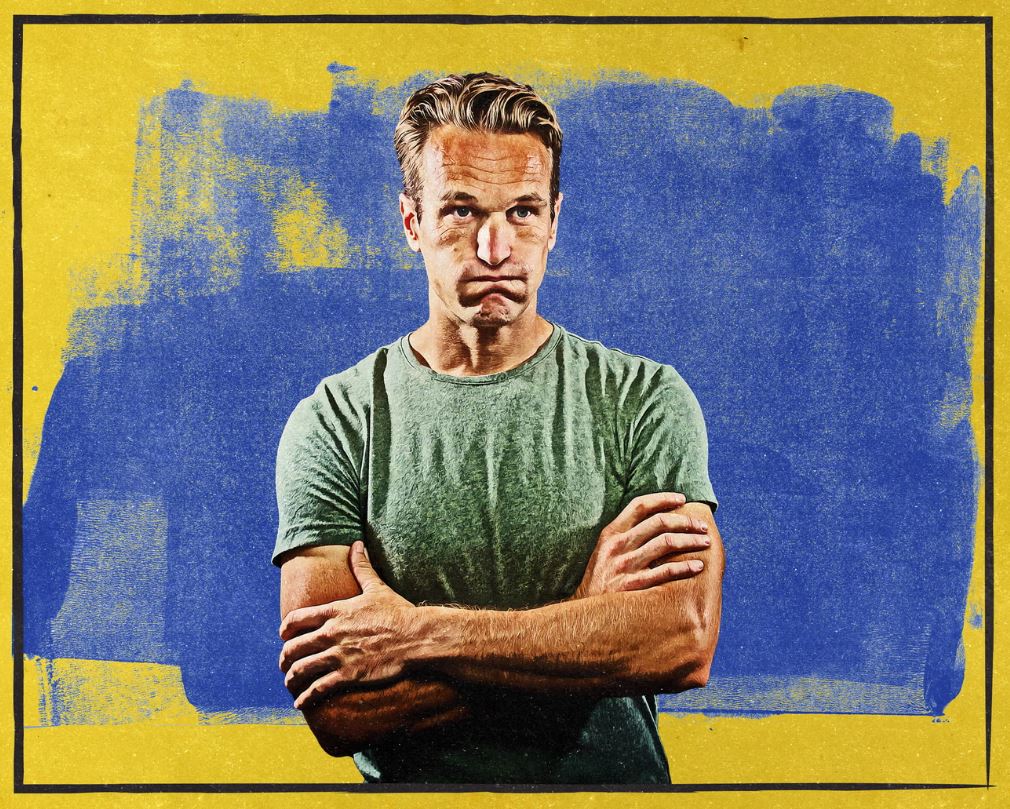
Modern life can be exhausting. It often feels like we move from one thing to the next, rarely having time to stop and take a breath. And that’s before you consider the stress of mobile phones and social media making us feel like we are permanently contactable and ‘always on’.
There are lots of things that can cause us stress. The pace and connectivity of modern life is just one (admittedly large) factor. We know the impact it can have on us mentally, something I hear regularly from counselling clients. But what impact is it having on our bodies?
I was fascinated by a recent article in The Guardian on the topic. Joel Snape explores the effects stress has on us physically, and how we often struggle to look after ourselves during stressful times, particularly if they have gone on for a long period.
Your Body’s Defence
One of the main issues is that when we are in stressed or panicked, our body prioritises it:
“The problem with this, broadly speaking, is that when your body diverts all its resources to fight or flight, it’s moving them away from areas such as digestion, repair and the immune system (sometimes referred to as the rest-and-digest systems). This is fine if it happens occasionally – it’s how we’ve evolved to operate – but if we’re chronically stressed, the body never gets time to catch up.”
This leads to possibility of a range of problems, including getting ill, depression, obesity and even the progression of neurodegenerative diseases. All of which can, of course, cause an even more elevated level of stress, creating a negative loop.
While older adults might find the physical effects of stress even more amplified, our individual ability to manage and tolerate stress is an even bigger factor on how you respond. Your life experiences can have a huge influence in your response, and in turn, the impact on your body.
How To Manage Stress
Joel asks what we can do to try to minimise stress or improve our reaction to it, including mindfulness and CBT (Cognitive Behaviour Therapy). He also provides a link to NHS resources for dealing with stress. But one of the simplest and most proven factors is to learn just to stop. To force yourself to pause, take a deep breath, recognise your surroundings, and slow your breathing. Something that we can all do pretty much anywhere, but don’t do nearly enough.
“When people are stressed or anxious, they tend to breathe in a more shallow and rapid way, which reinforces the threat response, keeping the physiological loop going,” says Daniels. “If you breathe slowly, you’re giving your brain the message that everything is OK, you are safe – essentially inducing the relaxation response. So something as simple as regulated breathing really can make a difference and head stress off at the pass. The same is true for exercise, which can help reduce the excess adrenaline buildup caused by high-stress responses.”
You can read Joel’s article here.
Source: The Guardian